

In a new study, published in the journal Appetite, researchers stood outside fast-food restaurants and asked people to guess how much sodium they just ate. Their answers were almost always six times too low.
That's because people don't tend to use a lot of salt to season meals cooked at home, but restaurants use much more of it to enhance the flavor of their meals. It’s also used in food additives and as a preservative to extend shelf life, so even foods that don’t taste salty, like pastries, donuts and bread, can have a lot of it.
As a result, 89% of Americans eat too much salt. People should get no more than 2,300 milligrams of sodium a day—about one teaspoon, public health groups recommend—but the average American eats about 3,600 mg every day. Eating too much salt makes the body retain more water, which raises blood pressure and can affect the heart, blood vessels, brain and kidneys. Overconsuming sodium can lead to hypertension, heart attack and stroke, according to the Harvard T.H. Chan School of Public Health.
To test the sodium knowledge of real-world eaters, researchers stationed themselves at several fast-food restaurants—McDonald’s, Burger King, Subway, Wendy’s, Kentucky Fried Chicken and Dunkin’ Donuts—and polled adolescents and adults on their sodium consumption. When people approached the entrance, the researchers asked them to save their receipts; on their way out, they estimated how much sodium they ate.
Adults ate about 1,300 mg of sodium in a single fast-food sitting, which is more than half of the upper recommended limit for the day. Yet the average guess was just 200 mg, says study author Alyssa Moran, a registered dietitian and doctoral student at the Harvard School of Public Health. They were off by about 650%.
That's when they ventured a guess at all. “25% of the people we approached had absolutely no idea about the amount of sodium in their meal and couldn’t even provide an estimate,” Moran says.
Sodium information isn't visibly published in chain restaurants. But in 2015, New York became the first city in the country to require chains to post warning labels on menu items with more than 2,300 mg of sodium. "Right now it's only in New York City, but we have a feeling that other local governments will probably follow suit," Moran says. "We saw that that happened when New York City started posting calories on menu boards."
Doing so may finally help people learn how much sodium is in their food, and it may even encourage companies to reformulate the worst offenders.
See if you can guess how much sodium lurks in the chain-restaurant foods below.
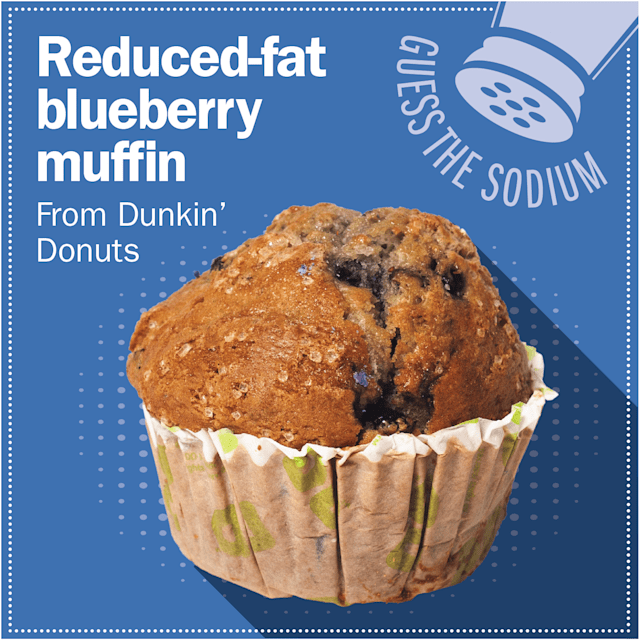
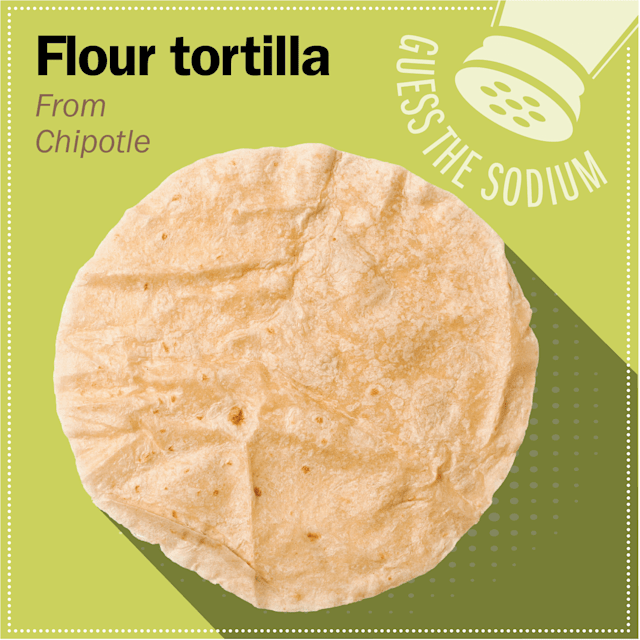
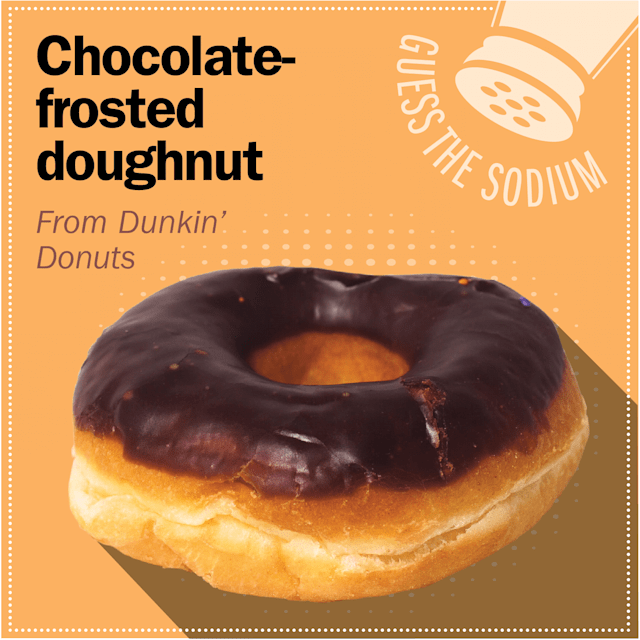
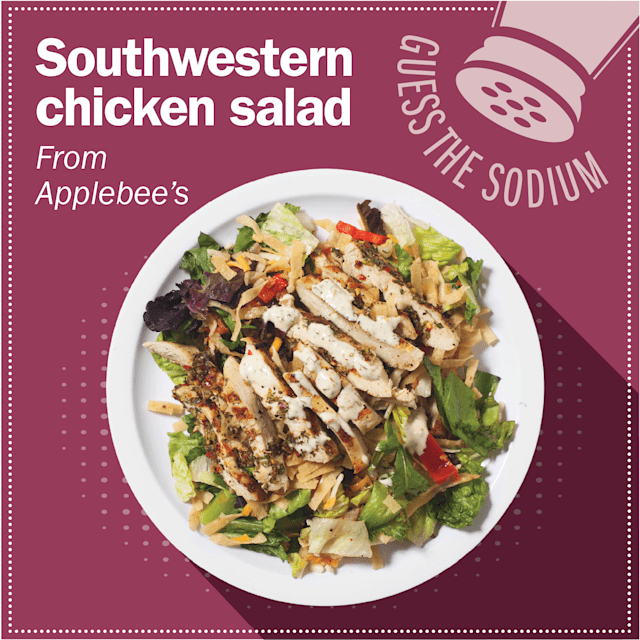
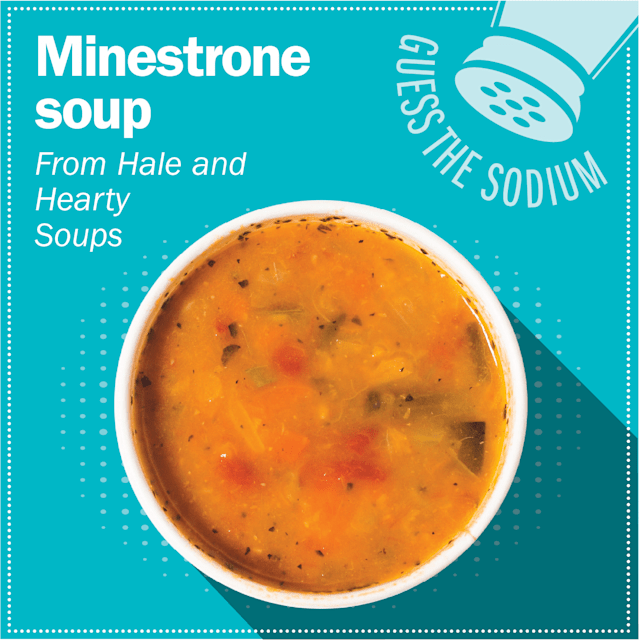
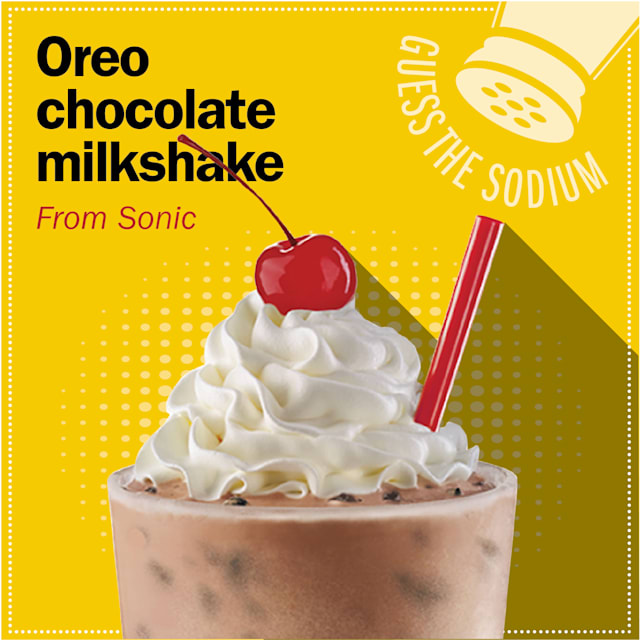
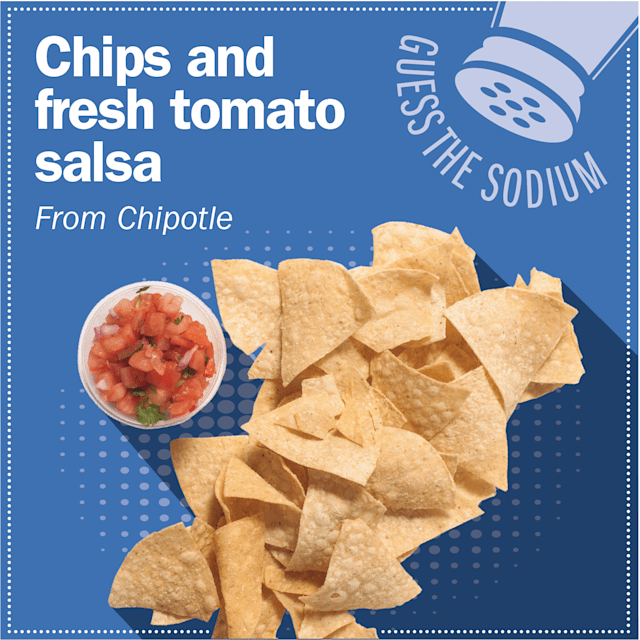
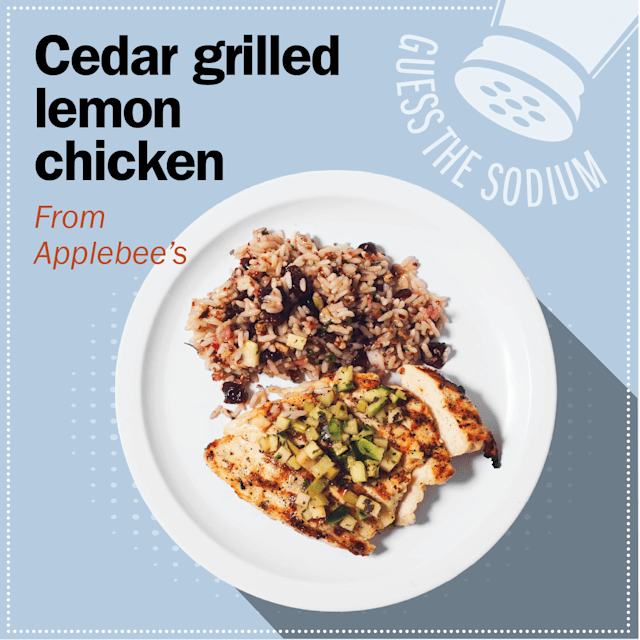
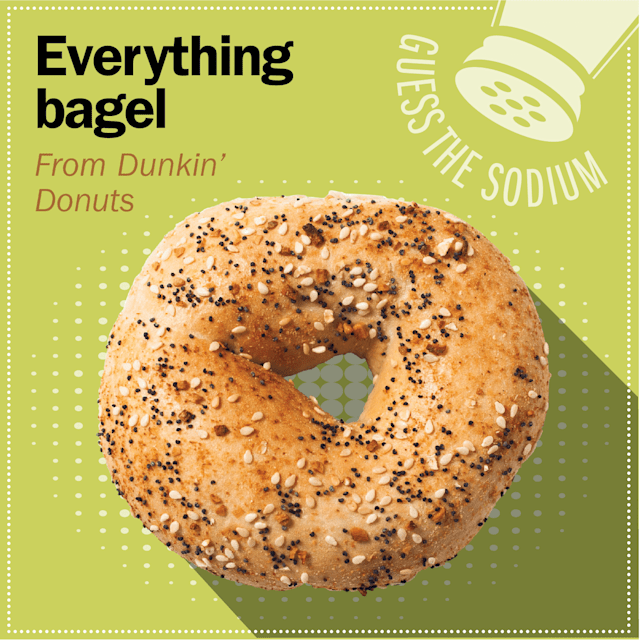
Photos by Javier Sirvent for TIME/Illustrations by Lon Tweeten for TIME
SOURCE: TIME


